
What is a green roof?
A green roof is a roof system designed to support living plants above a waterproof membrane. It is more than soil and vegetation placed on top of an ordinary roof. A properly built system includes waterproofing, root protection, drainage, filter fabric, growing medium, and plants selected for rooftop conditions.
Green roofs generally fall into two categories:
- Extensive systems: Shallow growing medium, low-growing plants, less weight, and lower maintenance.
- Intensive systems: Deeper growing medium that can support a wider range of plants, but with greater weight, cost, irrigation needs, and structural demands.
For most homes, an extensive system is the more realistic option. Intensive roof gardens are usually better suited to buildings designed for that purpose from the beginning.
Are green roofs practical in Silver Creek?
They can be, but the roof design and building structure matter more than the homeowner’s interest in gardening. Silver Creek experiences cold winters, freeze-thaw cycles, strong precipitation events, and periods of substantial snow. Those conditions make waterproofing, drainage, wind resistance, and saturated weight especially important.
A green roof is usually easier to incorporate on a low-slope roof than on a conventional steeply pitched residential roof. A steep roof may require special stabilization to prevent the growing medium from sliding. Roof edges, drains, skylights, chimneys, vents, and access paths must also remain clear and protected.
A roof that is already showing leaks, membrane deterioration, sagging, or framing concerns is not a good candidate for a simple add-on installation. The roof assembly may need to be rebuilt rather than covered.
What are the main benefits?
The strongest benefits involve stormwater, roof protection, and temperature control. Plants and growing medium absorb and temporarily store a portion of rainfall. Some water returns to the atmosphere through evaporation and plant transpiration, while the remainder drains more slowly.
That delay can reduce the volume and speed of runoff during heavy rain. It may be useful in areas where roof drainage, downspouts, or nearby paved surfaces contribute to localized water problems. A green roof does not eliminate runoff, however, and it should not be treated as a substitute for properly sized drains and discharge paths.
The plant layer also protects the waterproofing membrane from direct sunlight, temperature swings, and some weather exposure. With good design and maintenance, that protection may extend the service life of the membrane.
Other possible benefits include:
- Reduced summer heat gain through the roof.
- Some improvement in winter insulation performance.
- Less surface heating than a dark conventional roof.
- Habitat for insects and birds.
- A more attractive view from upper windows.
- Reduced noise from rainfall on certain roof assemblies.
The energy savings are usually modest for a small home and depend on insulation levels, roof design, ventilation, heating equipment, and occupant habits. A green roof should not be viewed as a replacement for air sealing or adequate insulation.
What are the disadvantages?
The largest disadvantage is cost. Green roofs require several specialized layers and more planning than ordinary roof coverings. Installation can involve structural review, protective walkways, drainage details, plant selection, and careful treatment around every roof penetration.
Weight is another major concern. A green roof becomes heavier after rainfall and may be considerably heavier when the growing medium is saturated and snow is present. The roof framing, decking, walls, and foundation must be able to handle those loads safely.
Maintenance is also necessary. Even low-maintenance systems require periodic inspection. Drains and overflow paths must remain clear, weeds may need removal, and dead or damaged plants may need replacement. During the first growing season, limited irrigation may be needed while vegetation becomes established.
Other limitations include:
- Difficult access for leak investigation.
- More complicated repairs around drains and penetrations.
- Potential plant loss during drought, winter damage, or severe wind.
- Greater difficulty removing accumulated snow safely.
- The need to protect vegetation-free areas near roof edges and equipment.
- Possible conflicts with fire access, mechanical equipment, or solar installations.
A common misconception is that a green roof is maintenance-free because it contains hardy plants. The vegetation may be low-maintenance, but the roof system still needs inspection and drainage care.
Can a green roof handle snow and ice?
A properly engineered system can be designed for local snow and wind conditions, but vegetation does not reduce the structural weight of snow. In fact, the roof must be evaluated for the combined effects of the growing medium, retained water, snow, maintenance workers, and any equipment.
The roof slope also affects winter performance. Low-slope roofs can hold water if drains become blocked by ice or debris. A functioning drainage layer, overflow protection, and accessible inspection points are essential.
Snow should not be routinely piled onto a planted roof without considering the added load and possible damage to plants, drainage components, or protective layers. Snow removal from a green roof can also harm the membrane if tools are used carelessly.
What type of plants are appropriate?
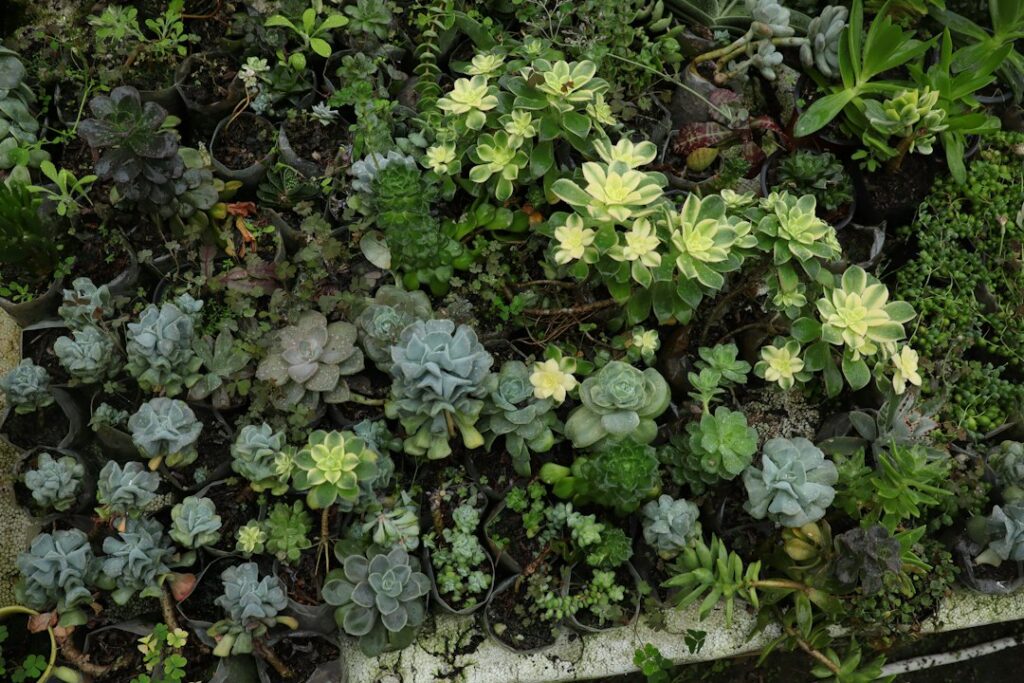
Green roof plants must tolerate shallow soil, wind, intense sun, fluctuating temperatures, and periods of dryness. Low-growing sedums and other hardy, drought-tolerant plants are commonly used because they can survive in limited growing medium.

Plant selection should reflect the roof’s exposure rather than simply choosing attractive garden plants. A roof that receives strong afternoon sun will have different needs from one shaded by nearby trees. Plants that require deep soil, frequent watering, or substantial winter protection are usually poor choices for an extensive system.
Native or regionally appropriate species may support local insects and reduce maintenance, but “native” does not automatically mean suitable for a rooftop. The shallow, exposed environment is very different from ground-level soil.
Does a green roof pay for itself?
Usually, not through energy savings alone. The initial cost is higher than a conventional roof, and the financial return depends on the roof’s size, structural work, expected membrane life, maintenance costs, drainage benefits, and available incentives.
A green roof may make more financial sense when:
- A low-slope roof is already being replaced.
- The structure is designed for the added weight.
- Stormwater management is a significant concern.
- The roof is visible or provides useful outdoor space.
- Long-term membrane protection is valued.
- The owner expects to keep the building for many years.
For a typical steep-slope house, adding a green roof solely to reduce utility bills is often difficult to justify. Improved insulation, air sealing, reflective materials where appropriate, or better attic ventilation may provide a simpler return.
What should homeowners check before considering one?
Start with the existing roof, not the plants. Important questions include:
- Is the roof low-slope enough for the proposed system?
- Can the structure support saturated growing medium and snow?
- Is the deck in good condition?
- Where will excess water drain?
- Can drains and roof edges be inspected safely?
- Will the system interfere with chimneys, vents, solar panels, or emergency access?
- What maintenance is realistic during spring, summer, and fall?
- Are permits or design documents required for the specific property and project?
Structural review is necessary when the added load is uncertain. Building-code requirements can also apply to roof coverings, drainage, fire safety, access, and structural design. Those requirements vary by project, so they should be confirmed before construction begins.
Are green roofs worth it for local homeowners?
A green roof can be worthwhile when its environmental and long-term roof-protection benefits match the building’s design. It is most promising on a sound, low-slope roof with adequate structural capacity, reliable drainage, and an owner prepared to maintain it.
For many single-family homes, the answer will be “only under the right conditions,” not an automatic yes or no. Green roofing is best treated as a specialized roof assembly rather than a decorative upgrade. In a snowy, wet, freeze-thaw climate, careful engineering and dependable maintenance matter more than the choice of plants.
