
Choosing between a flat roof and a sloped roof is not simply a matter of appearance. Roof shape affects drainage, snow management, maintenance access, usable attic space, insulation, ventilation, and the long-term condition of the building.
For homes in Silver Creek, NY, seasonal weather deserves special attention. Snow, freezing temperatures, wind, rain, and repeated thawing can expose weaknesses in roof design or maintenance. The right choice depends on the building’s structure, age, use, budget, and how water and snow will move across the property.
What is the difference between a flat roof and a sloped roof?
A flat roof has a very low pitch, although it is not usually perfectly level. It is built with a slight slope so rain and melting snow can flow toward drains, scuppers, or roof edges.
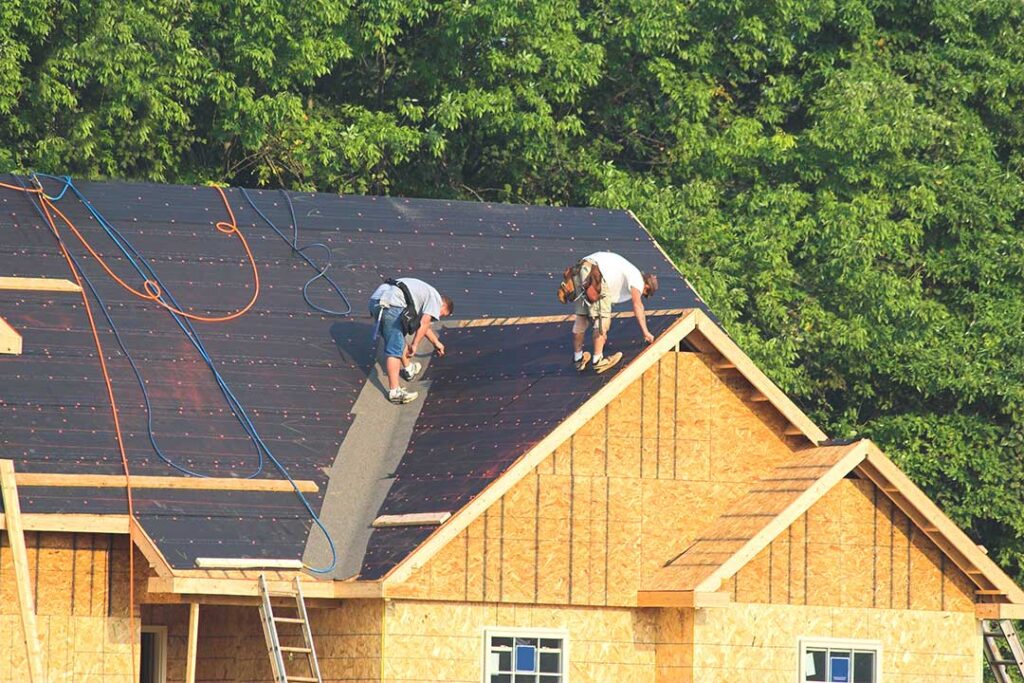
A sloped roof has a more noticeable angle. Common designs include two-sided gable roofs, four-sided hip roofs, and more complex roof shapes with multiple sections.
The distinction affects how the roof handles water. Sloped roofs generally encourage water and snow to move downward by gravity. Flat roofs depend more heavily on carefully designed drainage systems and properly sealed roofing materials.
Why might a sloped roof be a better fit for a home?
For many detached houses, a sloped roof provides practical advantages in a snowy, cold-weather climate. Its pitch helps shed rain and reduces the amount of time snow and ice remain on the roof surface.
Other benefits can include:
- More natural drainage during rain and snowmelt
- Greater attic space for insulation or storage
- Easier incorporation of ventilation through ridge, soffit, or gable areas
- A wide range of traditional residential designs
- Less dependence on interior drains or rooftop drainage equipment
A sloped roof is not maintenance-free. Valleys, chimneys, skylights, dormers, and roof-to-wall intersections can collect debris or develop flashing problems. Steeper roofs can also be difficult and unsafe to walk on, especially when wet or icy.
Roof pitch matters. A low-slope roof may not shed snow and water as quickly as a steep roof, while an extremely steep roof can make snow guards, flashing, and access planning more important.
What are the advantages of a flat roof?
Flat roofs can make sense for additions, garages, commercial-style buildings, porches, and certain modern home designs. They can provide a clean exterior profile and may make rooftop equipment easier to access than it would be on a steep roof.
A properly designed flat roof can offer:
- A simple, efficient building shape
- Convenient access for inspections and maintenance
- Potential space for mechanical equipment or carefully planned rooftop uses
- Fewer complex roof angles on some structures
- A practical design for buildings with parapet walls or low-profile additions
The main challenge is drainage. Water should never be expected to remain on the roof for extended periods. Small low spots can become larger problems as roofing materials age, drains become blocked, or the supporting structure moves slightly.
Flat roofs also have more exposure to standing water, ice formation, and freeze-thaw cycles. Membranes, seams, flashing, drains, and edge details require regular attention.
Which roof handles snow better?
A sloped roof usually moves snow and meltwater more naturally, but that does not mean every sloped roof is automatically safer or more durable.
Snow performance depends on several factors:
- Roof pitch
- Roof shape and orientation
- Insulation and attic ventilation
- Structural design
- Snow depth and moisture content
- Wind exposure
- Obstructions such as chimneys and dormers
- Whether snow can slide onto walkways, doors, decks, or lower roofs
A steep roof may shed snow suddenly, creating a hazard below. Snow guards or other design measures may be appropriate in locations where falling snow could injure people or damage property.
Flat roofs retain more snow, so structural capacity and drainage become especially important. Heavy, wet snow can place significant weight on a low-slope roof. Warning signs may include unusual ceiling movement, new cracks, sticking doors, visible roof sagging, or water appearing after a storm.
If a roof appears structurally stressed or has active leaking during severe weather, safety should take priority over inspection from the roof surface.
Which roof is easier to maintain?
Neither design is universally easier to maintain. A low-slope roof may be easier to access, but its drainage and membrane details need careful inspection. A sloped roof may shed water better, but its steeper areas, valleys, and flashing can be harder to reach safely.
Flat-roof maintenance commonly focuses on:
- Clearing leaves and debris from drains and scuppers
- Checking seams, penetrations, and edge flashing
- Looking for ponding water
- Inspecting membrane damage and exposed fasteners
- Watching interior ceilings for stains or damp areas
Sloped-roof maintenance commonly focuses on:
- Examining shingles, panels, or other covering materials
- Checking valleys and flashing around chimneys and vents
- Keeping gutters and downspouts clear
- Looking for missing, lifted, or damaged roofing pieces
- Inspecting attic insulation, ventilation, and signs of moisture
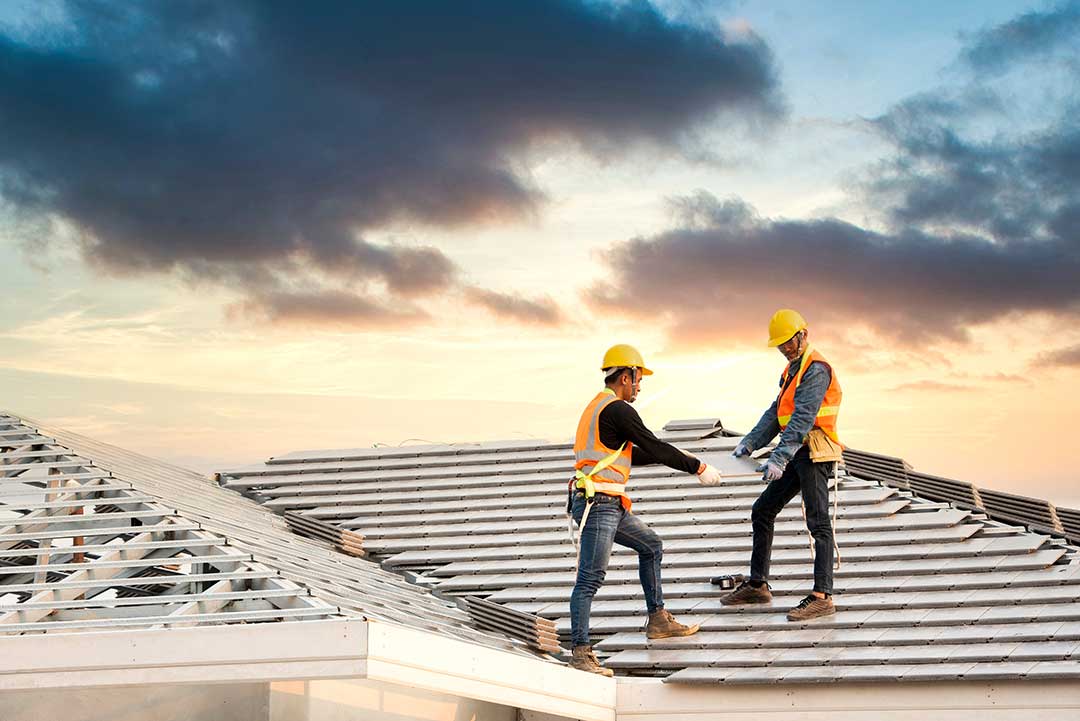
A roof should be inspected from a safe location whenever possible. Climbing onto icy, wet, or steep surfaces creates a fall risk.
How do insulation and ventilation affect the decision?
Roof shape alone does not determine energy performance. Insulation, air sealing, ventilation, and roof color can be equally influential.
A sloped roof often provides an attic cavity where insulation and ventilation can be installed separately from the roof covering. That arrangement may make it easier to keep the roof deck cold enough to limit winter ice buildup, although poor ventilation can still cause problems.
Flat roofs may have limited space for insulation. Some designs place insulation above the roof deck, while others use a roof assembly that requires careful control of air and moisture. The available height, drainage design, and existing structure can limit options during repairs or remodeling.
In older homes, adding insulation without addressing air leaks or ventilation can trap moisture. That moisture may contribute to sheathing decay, mold growth, or ice-related roof damage.
Does a flat roof cost less than a sloped roof?
A flat roof may use less exterior surface area on a simple building, but that does not guarantee a lower total cost. Drainage systems, specialized membranes, insulation arrangements, parapet walls, and detailed flashing can add complexity.
A sloped roof may require more framing and roofing material, especially if it includes multiple hips, valleys, dormers, or steep sections. However, its drainage may be more straightforward, and many residential roofing materials are widely familiar.
Cost comparisons should consider the entire roof assembly rather than only the visible covering. Important factors include structural repairs, insulation, ventilation, flashing, gutters, drainage, access, and the expected maintenance needs of the design.
Is one roof type better for older homes?
Older homes need evaluation based on their actual structure, not just their roof shape. A sloped roof may have hidden damage around valleys, chimneys, or attic areas. A flat roof may have outdated drainage, multiple layers of roofing, or areas where the structure has settled.
Before changing the roof design, it is necessary to understand:
- Whether walls and foundations can support the proposed structure
- How water will drain from every roof section
- Whether existing rafters or joists are damaged
- How insulation and ventilation will be handled
- Whether the change affects exterior walls, windows, or additions
- How snow will move or accumulate
Changing a flat roof to a sloped roof, or removing a sloped roof to create a low-profile design, is a structural project rather than a simple covering replacement.
Which option is right for a Silver Creek home?
A sloped roof is often a practical choice for a traditional detached home because it supports gravity drainage and can provide useful attic space. A flat roof may be suitable for a modern design, garage, porch, addition, or building where a low profile and accessible roof surface are priorities.
The better option is the one that matches the building’s structure and manages water, snow, insulation, and ventilation reliably. For local households, the most useful questions are:
- Where will rainwater and snowmelt go?
- How much snow can the structure safely support?
- Can the roof be inspected and maintained safely?
- Is there enough space for effective insulation and ventilation?
- Will snow slide toward entrances, decks, or neighboring structures?
- Does the design fit the existing walls and foundation?
- Are drains, gutters, flashing, and roof edges easy to keep clear?
A roof that looks simple may have complicated drainage details, while a roof with a more traditional shape may hide difficult valleys or ventilation concerns. Good roof design is less about choosing the most fashionable profile and more about creating a durable system that suits the building and the local weather.
