
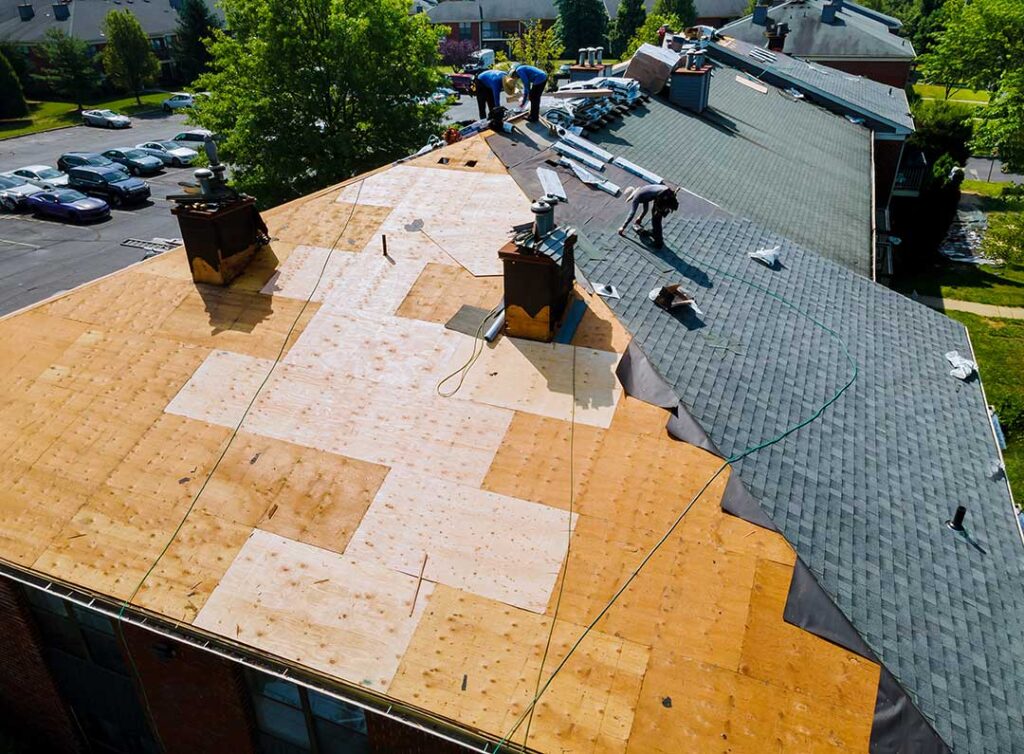
Roof surfaces receive sunlight every day, but the effect is not limited to higher temperatures. Ultraviolet radiation, repeated heating and cooling, and uneven exposure can gradually change roofing materials. For households in Silver Creek, NY, these effects combine with snow, ice, wind, moisture, and seasonal temperature swings, making sun exposure one part of a larger roof-aging pattern.
What does sunlight do to a roof?
Sunlight affects a roof through heat and ultraviolet radiation. Heat causes roofing materials to expand, while cooler nighttime temperatures cause them to contract. Ultraviolet radiation can break down surface coatings, pigments, sealants, and some exposed components over time.
The process is gradual. A roof may continue to keep water out while its surface is already becoming more brittle, faded, or less flexible. Sun exposure does not usually cause sudden failure by itself, but it can reduce the material’s ability to handle other stresses.
The level of exposure depends on:
- Roof direction and pitch
- Nearby trees and buildings
- Roof color and material
- Ventilation beneath the roof covering
- The age and condition of the roofing system
- Local weather patterns and seasonal temperature changes
South- and west-facing roof sections generally receive more intense afternoon sunlight than shaded or north-facing sections. That can create visible differences between slopes on the same house.
How does ultraviolet radiation affect shingles?
Ultraviolet radiation gradually weakens the surface of many asphalt shingles. It can cause color fading, loss of protective granules, and drying or cracking in the asphalt coating.
The small mineral granules on asphalt shingles help shield the underlying material from sunlight and provide texture that supports water shedding. As shingles age, some granules loosen and wash into gutters or downspouts. Areas exposed to stronger sunlight may show more fading or granule loss than shaded sections.
Common signs of sun-related aging include:
- Uneven color between roof slopes
- Bald-looking patches where granules are missing
- Brittle or cracked shingle edges
- Curling or lifting tabs
- Exposed dark asphalt beneath missing granules
- Increased granules in gutters
Granule loss does not always mean that a roof needs immediate replacement. A small amount can occur as shingles age normally, especially after installation. However, widespread loss, exposed matting, or visible deterioration across sunny slopes deserves closer attention.
Why do some roof areas age faster than others?
Roof aging is often uneven because different sections receive different amounts of sunlight and weather exposure. A roof shaded by mature trees may remain darker and cooler, while an exposed slope may fade and dry more quickly.
Uneven aging can also result from roof geometry. Dormers, valleys, ridges, and lower roof sections may heat differently because of their angles and airflow patterns. Areas near walls or roof-to-wall transitions can experience additional heat reflection from siding, masonry, or other surfaces.
In a coastal and lake-influenced climate, sunlight is only one part of the exposure cycle. Roof materials may also face freezing temperatures, thawing, snow cover, wind-driven rain, and moisture that remains in shaded areas. A roof slope that receives strong sun after a cold night may experience repeated thermal movement as it warms.
Does a dark roof absorb more heat?
Generally, darker roofing surfaces absorb more solar energy than lighter surfaces. This can raise the temperature of the roof covering and the space directly beneath it, especially during clear summer weather.
The actual effect depends on more than color. Roof pitch, attic insulation, ventilation, surface texture, and surrounding shade all influence how much heat enters the building. A dark roof with well-insulated and properly ventilated attic space may perform differently from a similarly colored roof with limited airflow.
Roof temperature can become much higher than the outdoor air temperature. That does not automatically indicate a problem, but repeated heating may contribute to faster aging of some materials. Lighter or reflective roofing surfaces can reduce heat absorption, although appearance, neighborhood requirements, roof design, and snow-related considerations may also matter.
Can sun exposure damage roof flashing and sealants?
Yes. Flashing, pipe boots, exposed sealants, and other accessory materials can deteriorate in sunlight even when the shingles appear acceptable.
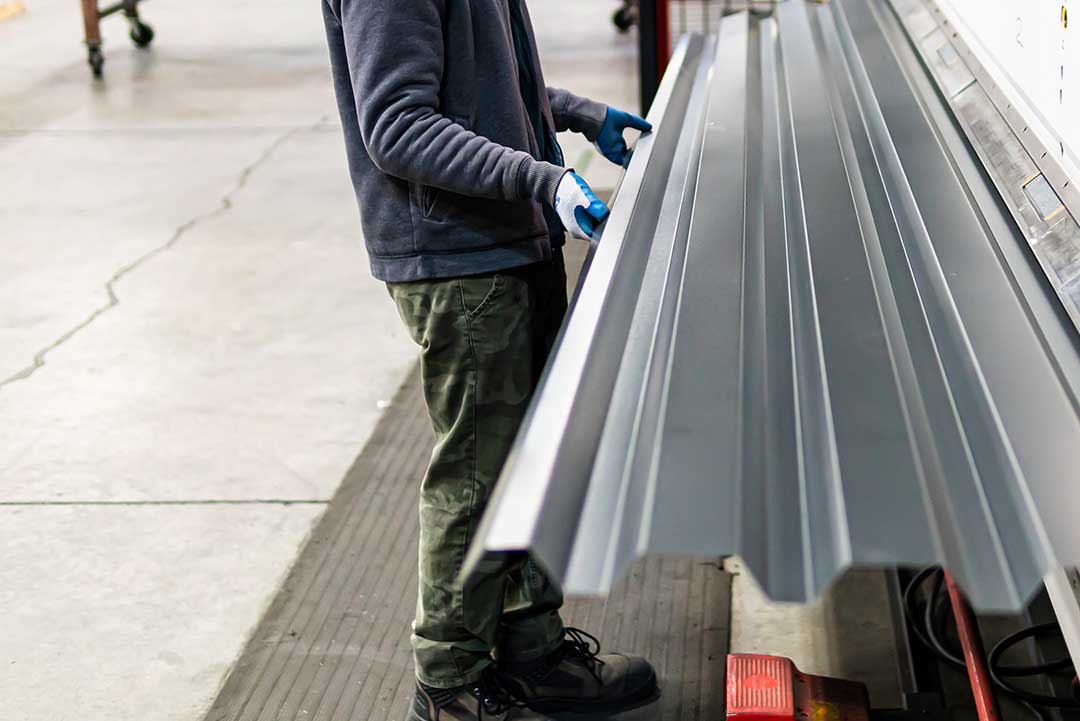
Sealants may dry, shrink, or lose adhesion. Rubber-like pipe boots can become stiff or cracked. Metal flashing may remain structurally sound but develop failed joints or loosened fasteners as surrounding materials move. Because these components protect openings and transitions, a small failure can allow water to enter.
Pay particular attention to:
- Plumbing vent penetrations
- Skylight or chimney flashing
- Valleys and roof-to-wall intersections
- Exposed metal edging
- Sealant around vents and other penetrations
A roof can look generally sound from the ground while a small sun-damaged component creates a leak during wind-driven rain or melting snow.
Does shade always protect a roof?
Shade can reduce direct ultraviolet exposure and lower surface temperatures, but constant shade may create other concerns. Roof areas beneath trees may stay damp longer after rain or snow. Leaves, needles, and small branches can collect on the surface or in gutters. Moss and algae may also be more likely where moisture and shade persist.
Overhanging branches can rub against shingles in windy weather, knock off granules, or allow animals easier access to the roof. Trees do not need to be removed simply because they shade a roof, but branches should not rest on or scrape across the roofing material.
A roof with both sunny and shaded slopes may show different types of wear: faster fading and drying on the exposed side, and more moisture-related staining or debris buildup on the shaded side.
How can residents recognize sun-related roof wear?
A visual check from the ground can reveal useful information without walking on the roof. Look for changes in color, missing granules, curled edges, exposed fasteners, cracked sealants, and differences between roof slopes.
After major weather, check attic spaces for damp insulation, water stains, or daylight visible around penetrations. Interior evidence may appear far from the actual entry point because water can travel along roof decking, rafters, or insulation.
Do not climb onto a roof that is wet, icy, steep, or difficult to access. Roofing surfaces can become especially brittle in cold weather, and walking on damaged shingles may worsen the problem. Conditions involving unstable materials, active leaks, electrical hazards, or difficult access may require qualified inspection for safety reasons.
How does maintenance reduce the effects of sun exposure?
Maintenance cannot stop ultraviolet aging, but it can prevent small weaknesses from becoming larger failures. Keep gutters and drainage paths clear so water does not remain against roof edges or collect near vulnerable details. Remove leaves and branches carefully, and avoid scraping shingles with tools.
It also helps to monitor the roof after winter and after periods of strong wind. Compare sunny and shaded slopes rather than judging the roof from only one viewpoint. Records of installation dates, repairs, leaks, and visible changes can make it easier to distinguish normal aging from a developing problem.
Adequate attic insulation and ventilation can reduce heat buildup beneath the roof covering. These systems do not eliminate exterior sun exposure, but they help manage heat and moisture in the roof assembly. Ventilation should be designed as part of the whole attic system rather than added without considering insulation placement and air sealing.
For homes in Silver Creek, seasonal inspections are especially useful because sun-related wear may become more apparent after snow, ice, wind, and freeze-thaw conditions have affected the same materials. Recognizing uneven fading, granule loss, cracked accessories, and moisture evidence early provides a clearer picture of how the roof is aging and what conditions may need attention.
